
URNA
GRACE
HOTEL
Concept
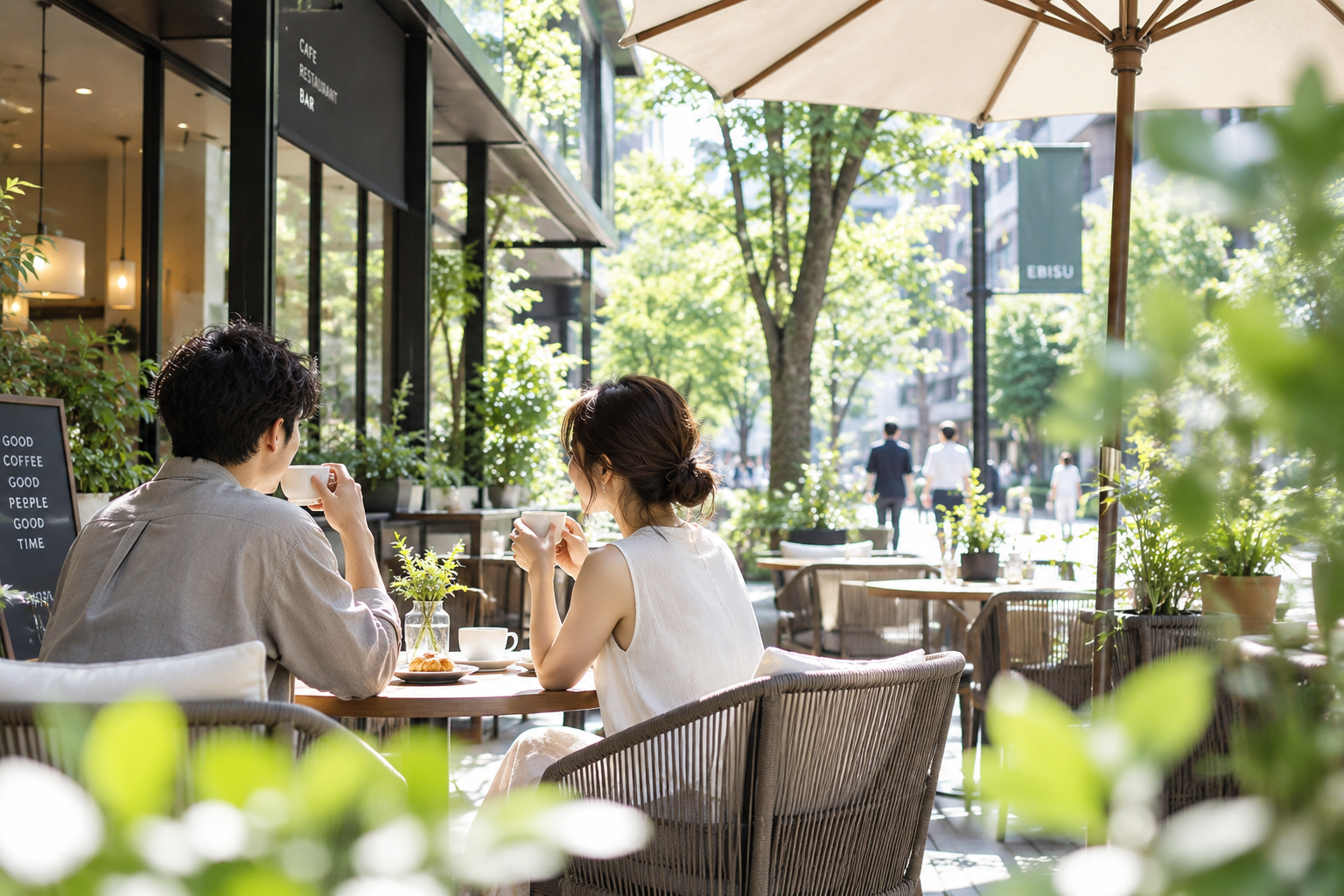
Stay where Tokyo actually lives.
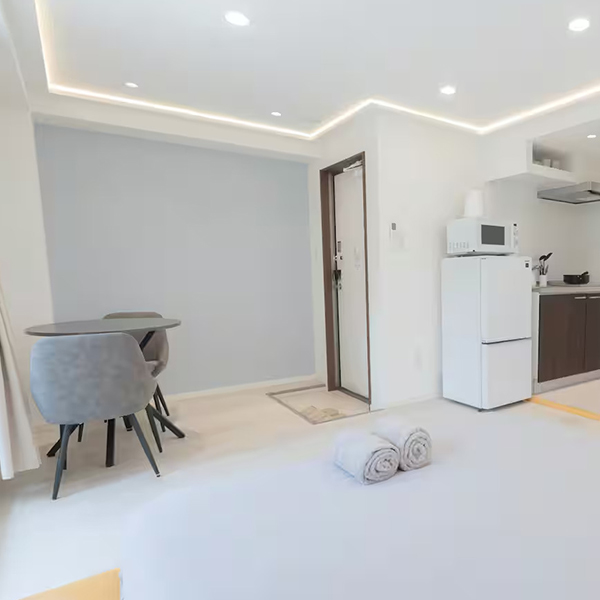
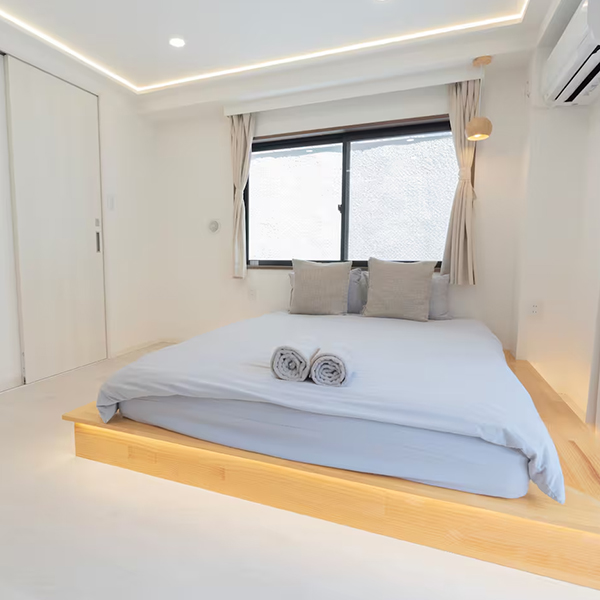
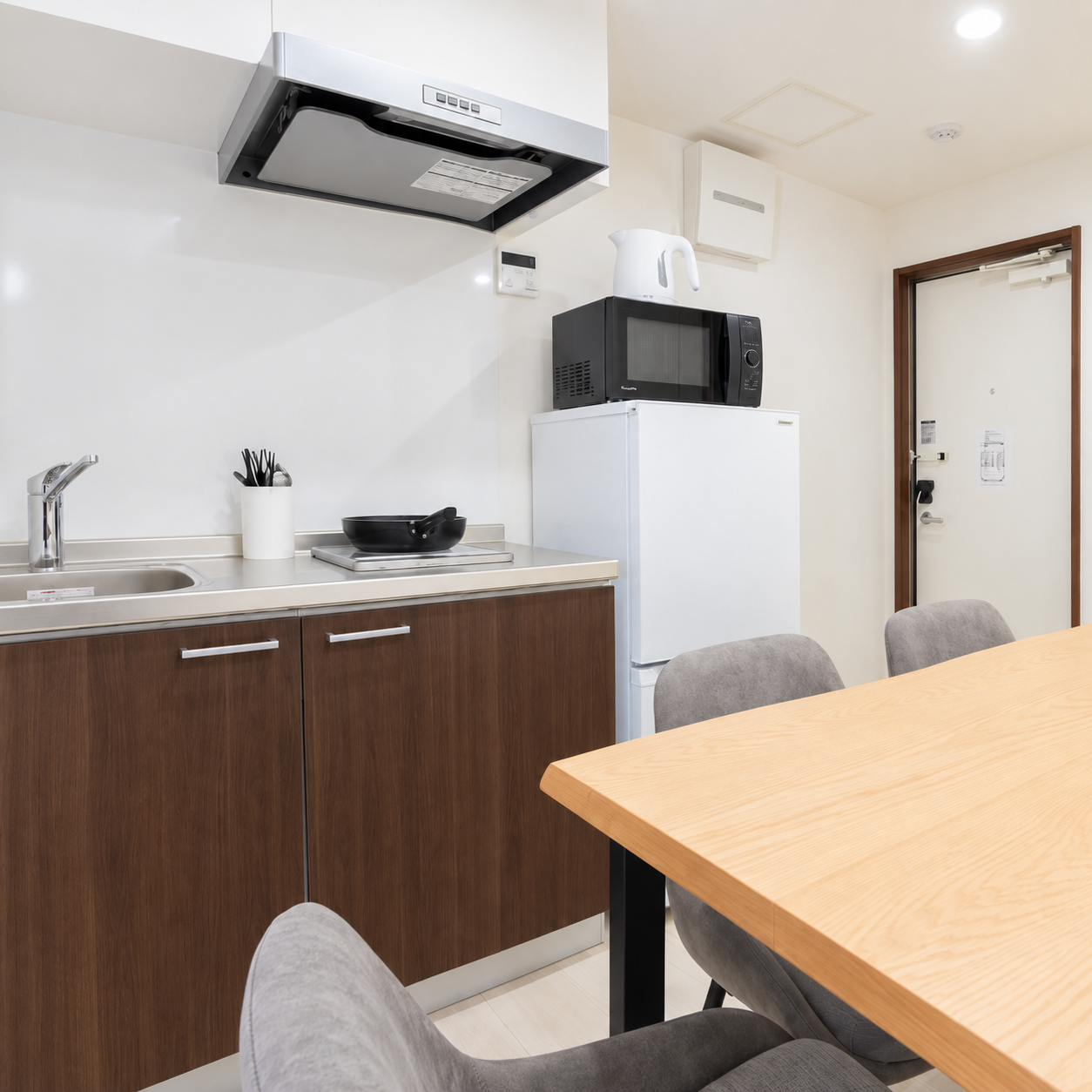
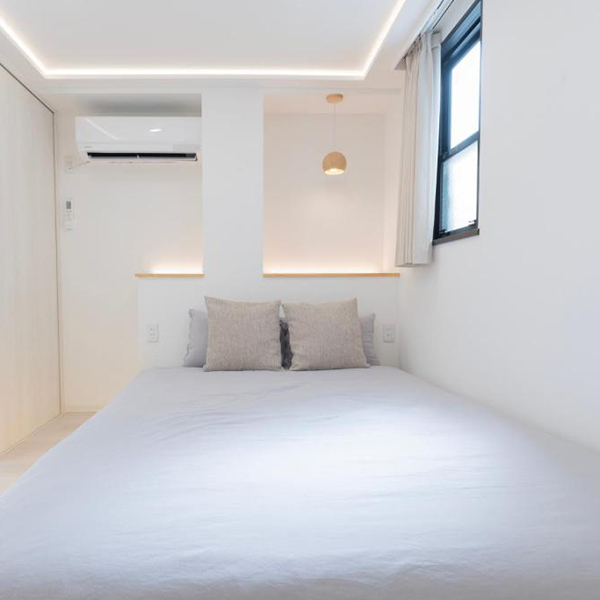
Ebisu is a neighborhood where a refined atmosphere and an unhurried pace live side by side. Our hotel has only four rooms — some designed for two guests, others for up to six — each with a kitchen, a washing machine, and free Wi-Fi. Stay a few nights or a few weeks, and take Tokyo at your own pace.
Our Rooms
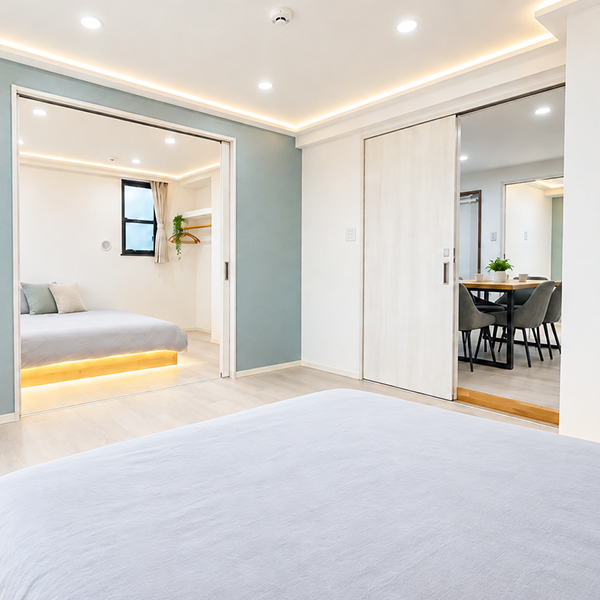
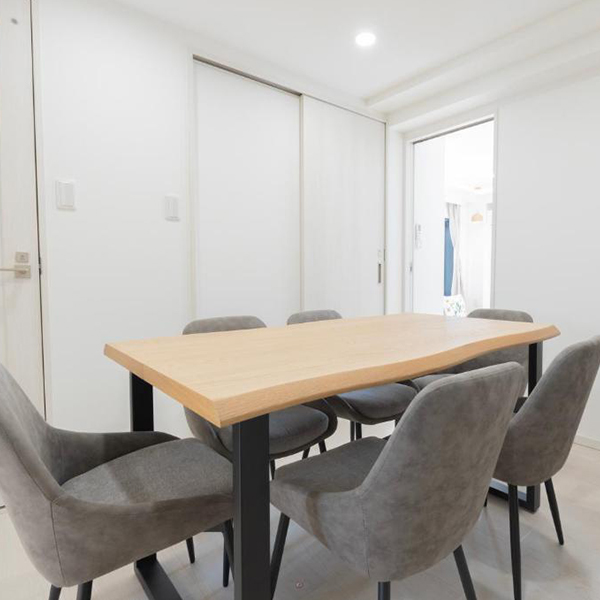
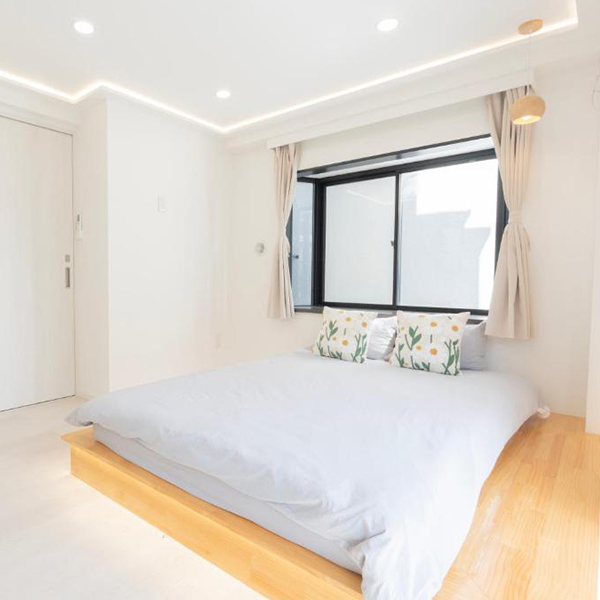
Whether it’s a trip for two or a stay with family and friends, our rooms are serene spaces in a contemporary Japanese style, where natural wood lends a gentle warmth.
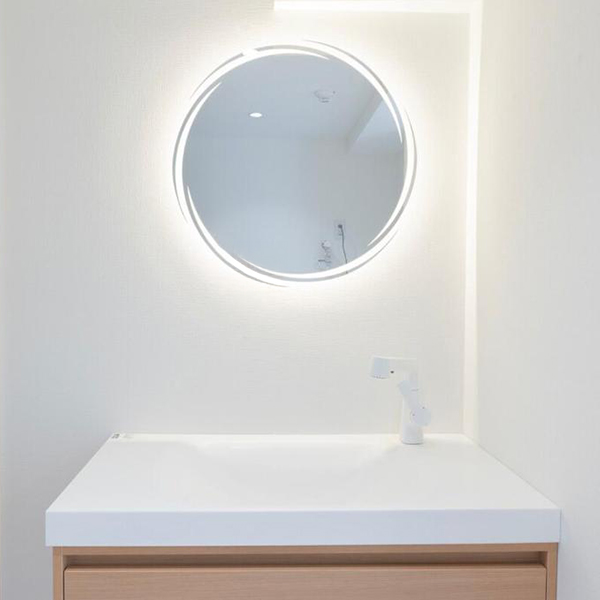
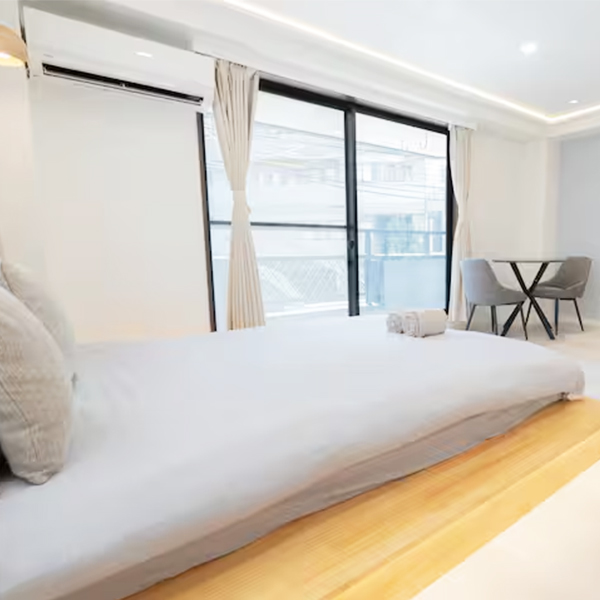
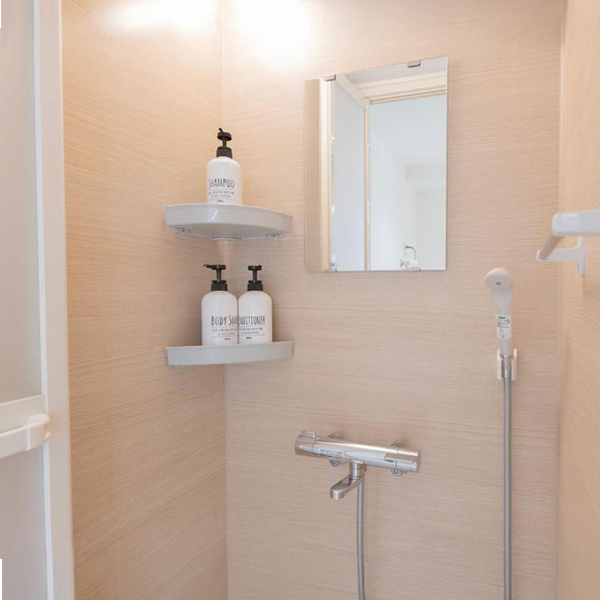
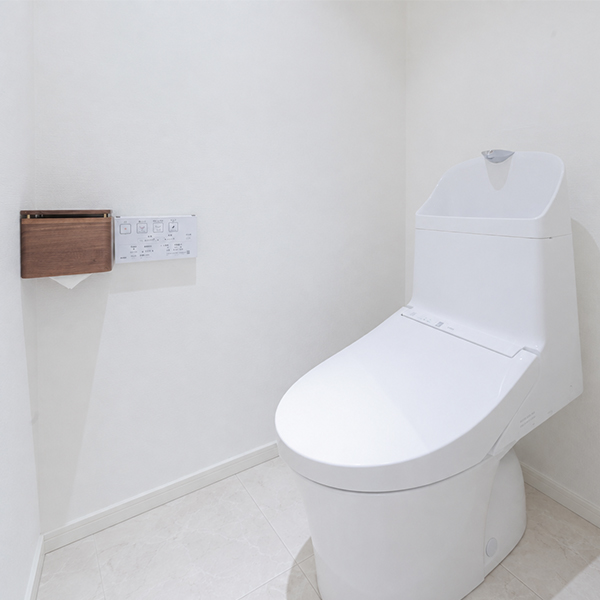
Reservation
Enjoy a moment of relaxation in Ebisu.
You can book your stay through your preferred booking site.
Tourism Information
Three neighborhoods — Ebisu, Daikanyama, and Nakameguro — unfold around the hotel. This is a Tokyo best explored on foot.
01 TOURISM
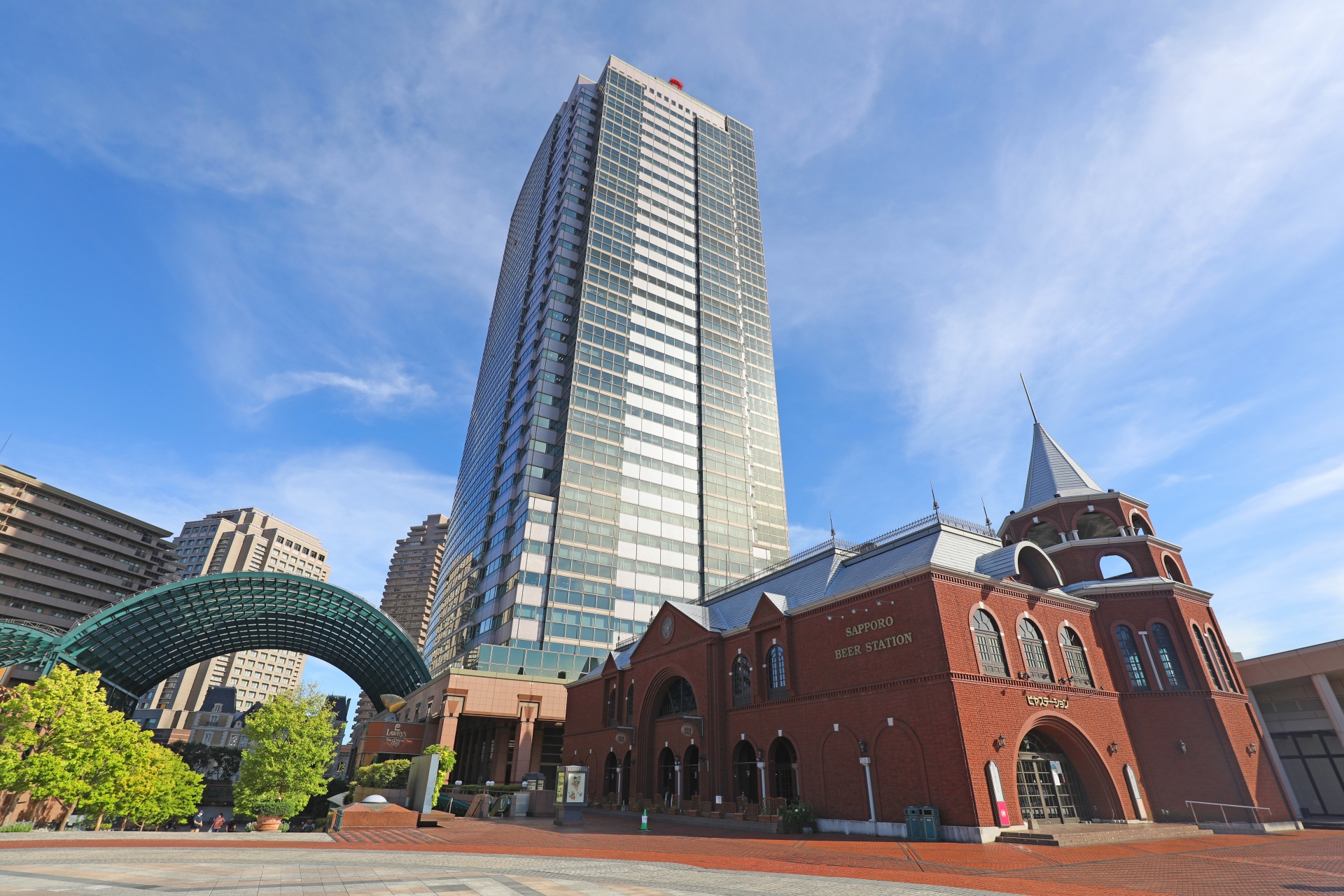
Yebisu Garden Place
Opened in 1994, Yebisu Garden Place is the complex that defines the Ebisu district. European-style architecture and cobblestone plazas lend the neighborhood a refined air, and the grounds are home to restaurants and a museum. On the 38th floor of the tower, the Sky Lounge is an observation space that anyone may visit free of charge; the view reaches as far as Tokyo Tower and Tokyo Skytree, and it is well known as one of the city’s finest spots for night views. From November through the New Year, a Baccarat chandelier — one of the largest in the world — fills the central square with light, and the grounds take on a different character with each passing season.
02 TOURISM
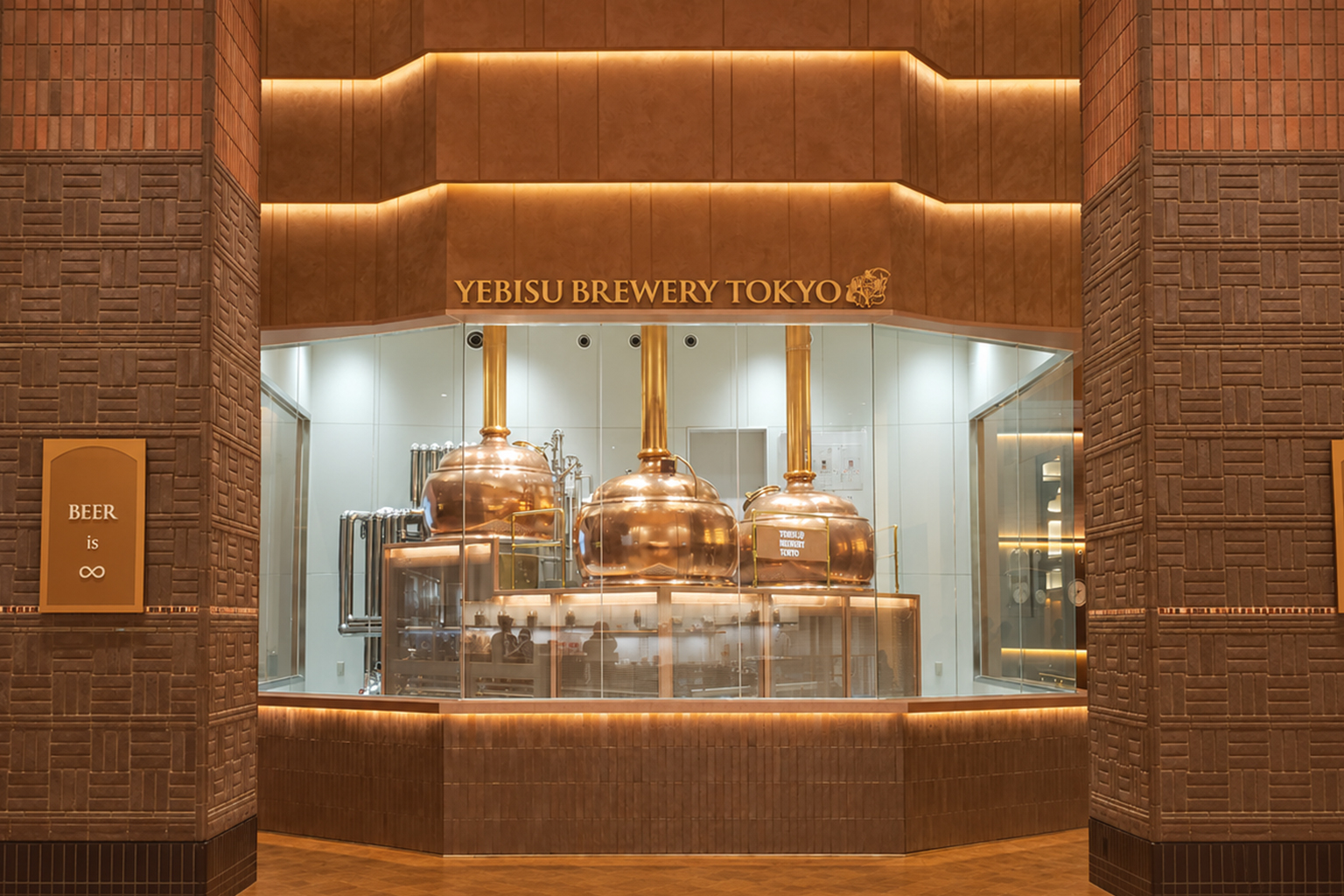
YEBISU BREWERY TOKYO
YEBISU BREWERY TOKYO stands on the birthplace of Yebisu Beer, where visitors can experience the brand firsthand. The facility is made up of three areas: a museum tracing the history of Yebisu, a working brewery where the beer is made on site, and a tap room serving it fresh from the tank. Here you can taste beer brewed with yeast revived from the strain once used at the original Ebisu brewery. The neighborhood’s name, in fact, comes from the beer factory built on this very ground — making this a place where you can taste how Ebisu itself came to be.
03 TOURISM
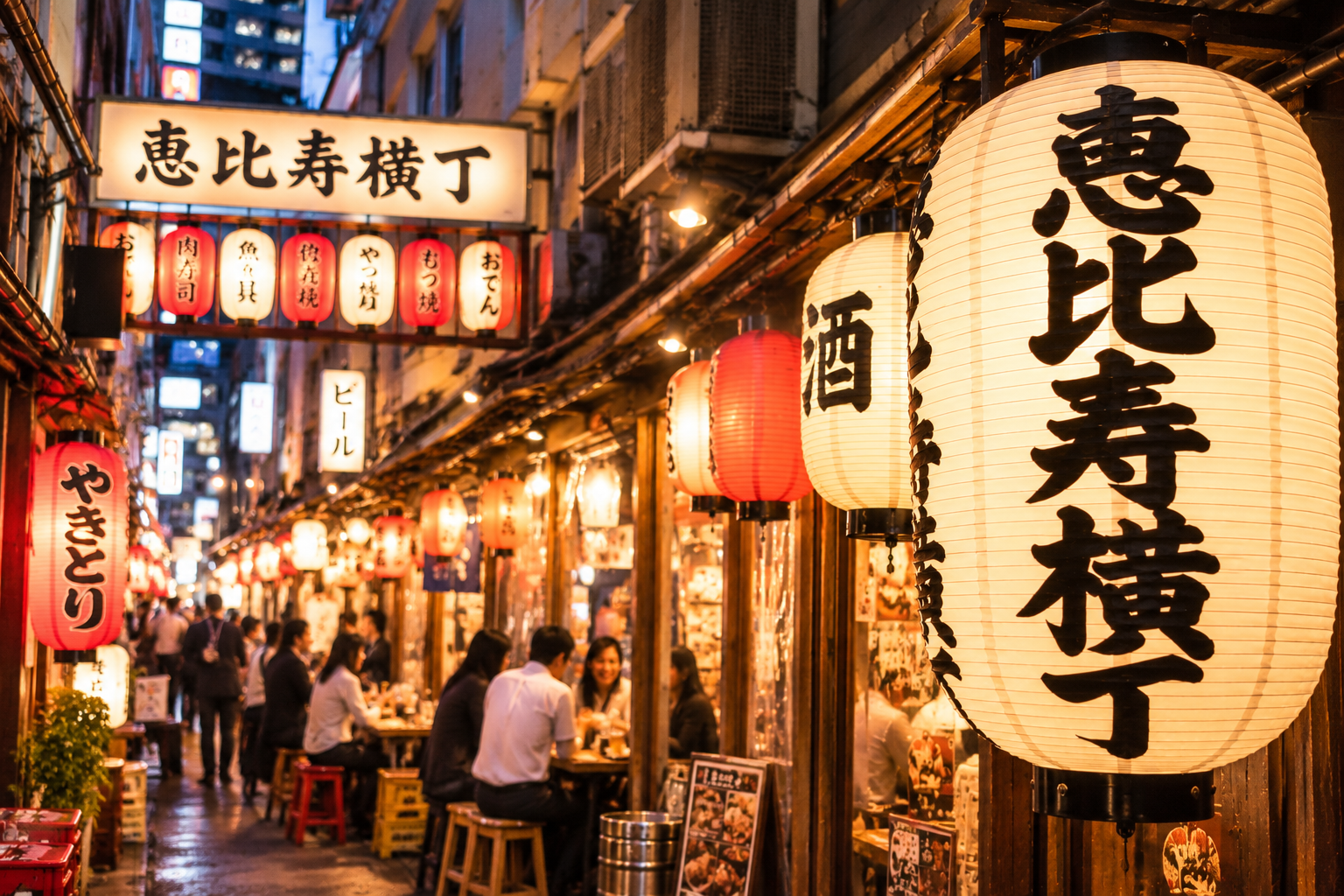
Ebisu Yokocho
Ebisu Yokocho is a covered alley of small bars, born on the site of a market that had served the neighborhood since the postwar years. Along a lane lined with red lanterns and neon, some twenty tiny establishments sit shoulder to shoulder, each just 10 to 16 square meters. Every one has its own character — yakitori, oden, seafood, Chinese — and because the seats are set so close together, conversation with the person beside you begins naturally. Many of the bars deliver to one another within the alley, so you can sample dishes from several without leaving your stool. Unlike the polished Ebisu outside, this is a corner where the mood of Showa-era Tokyo still lingers.
04 TOURISM
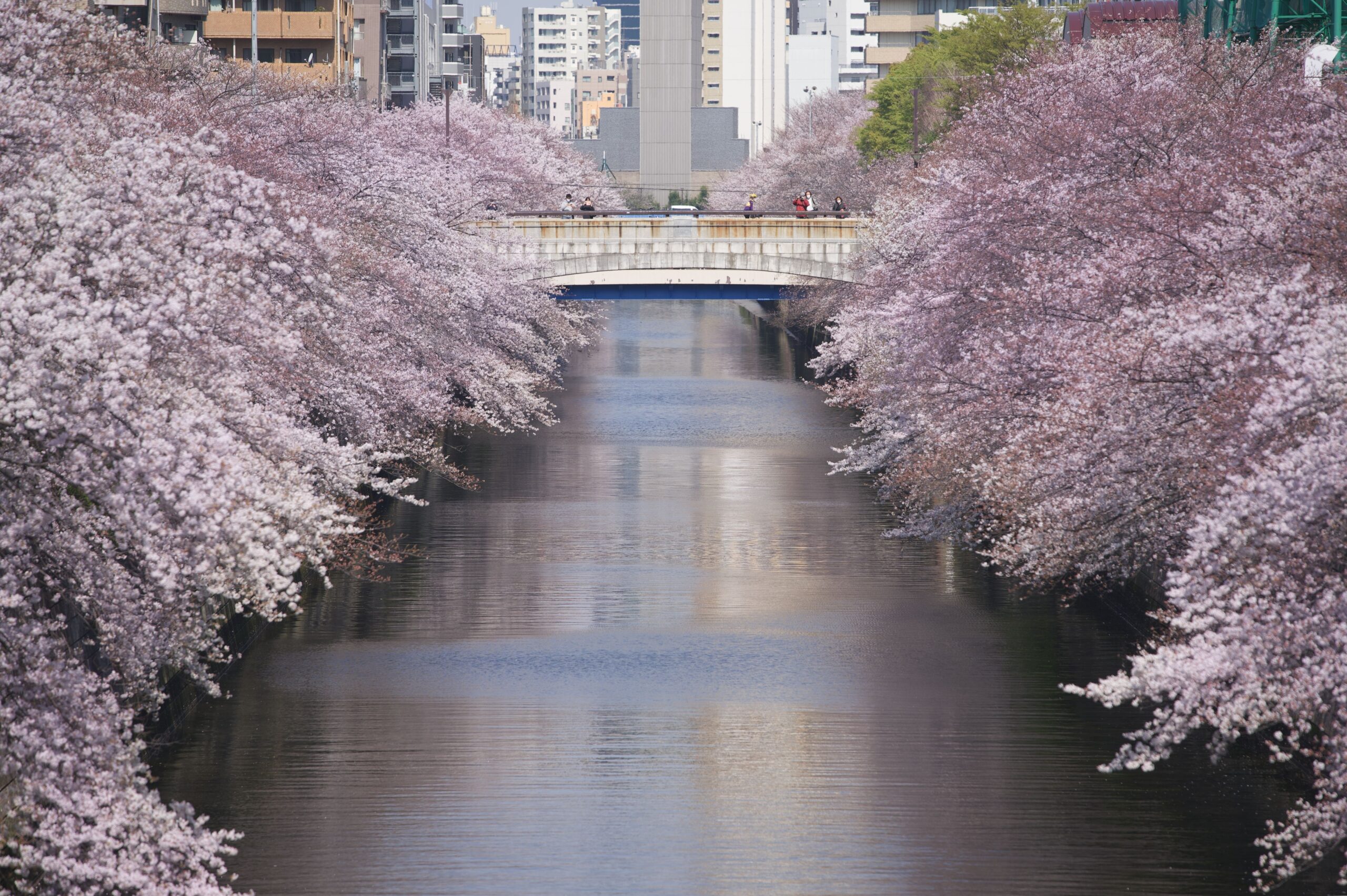
Meguro River
The Meguro River is one of Tokyo’s best-loved places to see cherry blossoms. Some 800 Somei Yoshino trees stretch their branches over roughly four kilometers of riverbank, and at their peak from late March to early April they form a tunnel of blossoms that all but covers the water. As evening falls, paper lanterns are lit, and the blossoms mirrored on the river take on a dreamlike glow. The appeal does not end with the cherry season. Cafés, vintage clothing stores, and homeware shops are scattered along the banks, and simply browsing as you walk is a pleasure in itself. Centered on Naka-Meguro Station, it makes an unhurried walking route through one of the city’s most stylish neighborhoods.
05 TOURISM
Kyu Asakura House
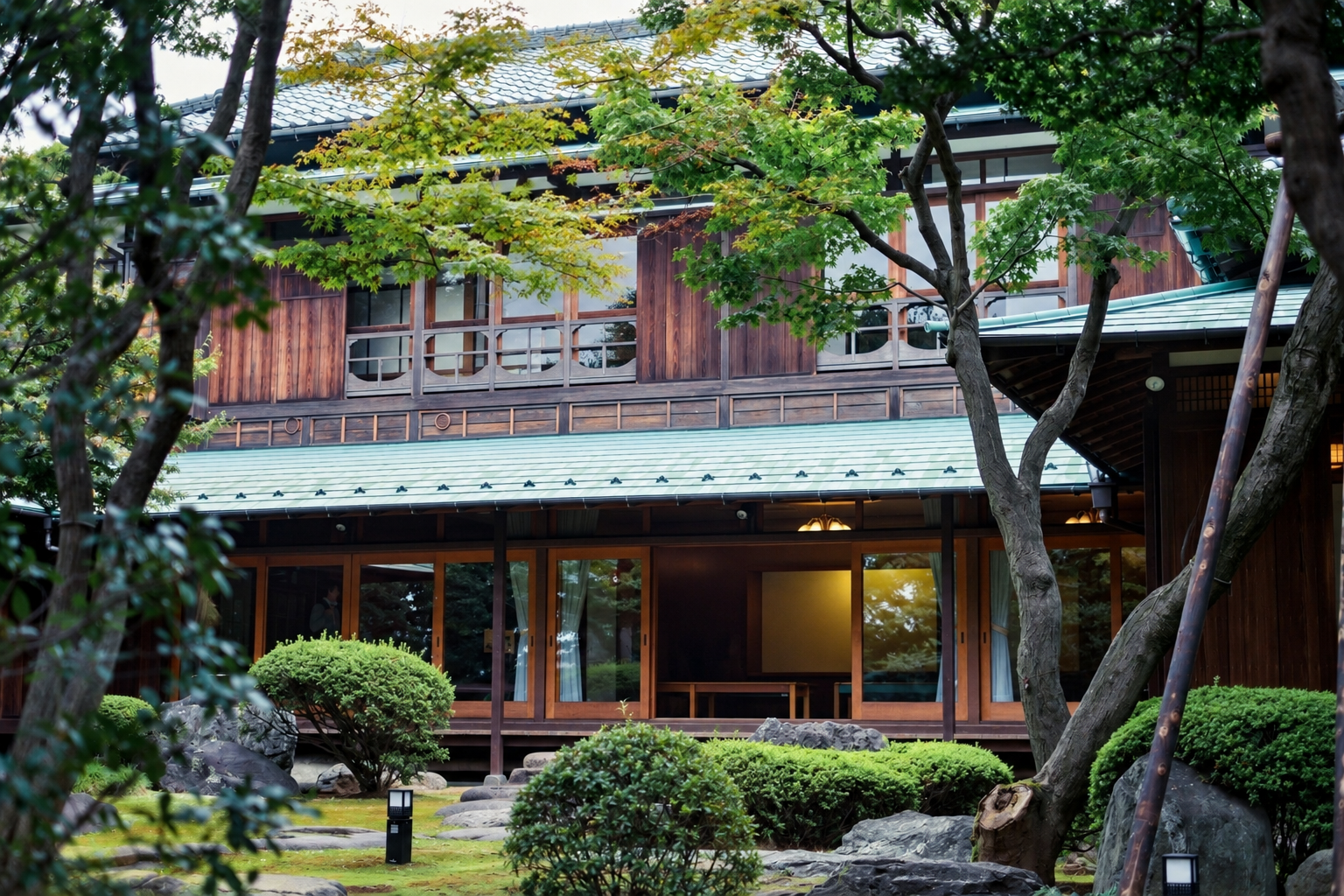
Kyu Asakura House stands quietly in a corner of Daikanyama, a residence built in 1919, during the Taisho era. Having survived both the Great Kanto Earthquake and the air raids of World War II, it is one of the few Taisho-period Japanese-style buildings remaining in central Tokyo, and is designated an Important Cultural Property of Japan. Inside the two-story wooden main house, tatami rooms open one onto the next, conveying the life once led here just as it was. The strolling garden, laid out to make the most of the sloping terrain, is set with stone lanterns, and azaleas in spring and maple leaves in autumn mark the turning of the seasons. Just steps from Daikanyama’s fashionable streets, it offers a peaceful retreat from the city.
06 TOURISM
Meguro Parasitological Museum
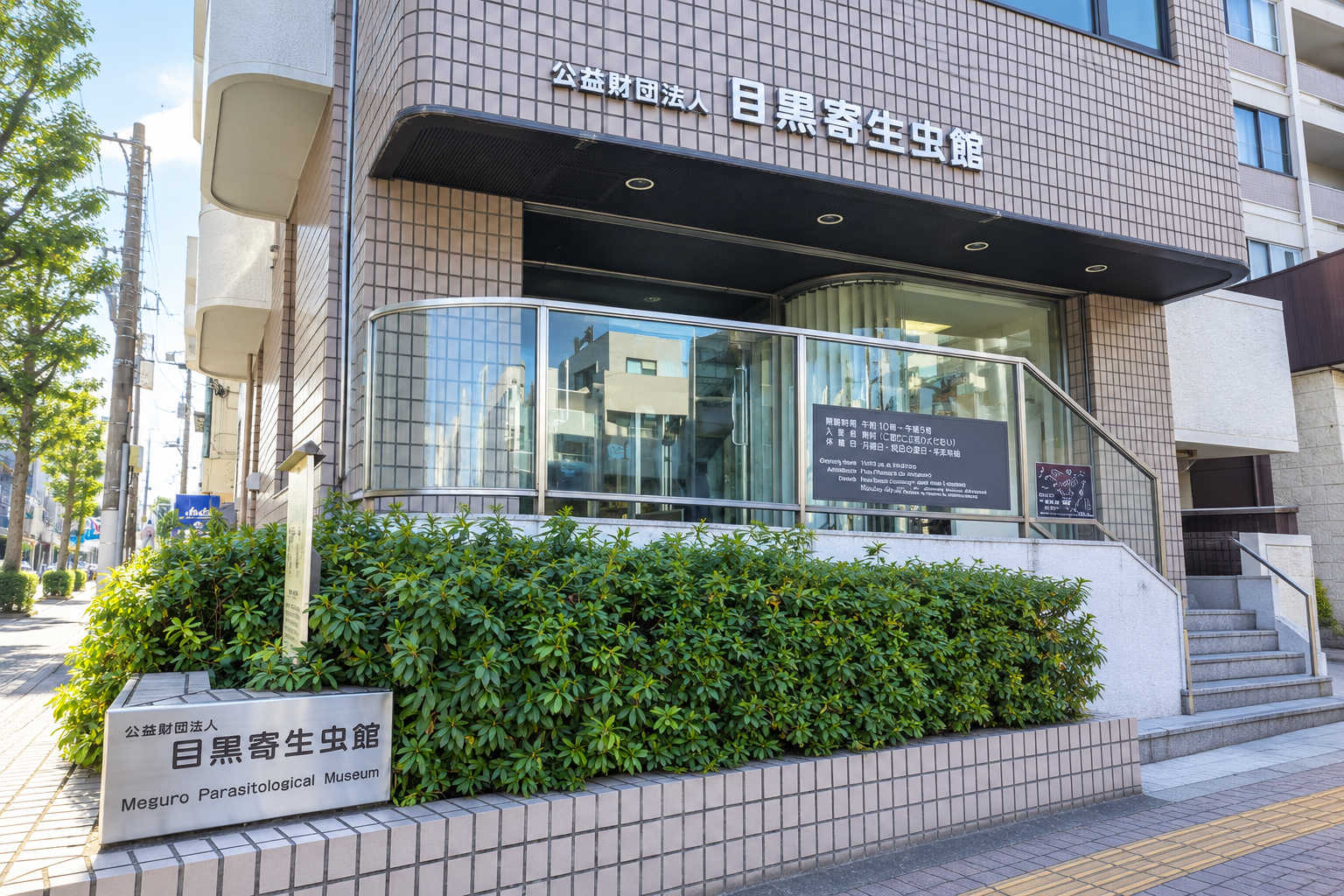
The Meguro Parasitological Museum is devoted entirely to parasites, making it a rarity anywhere in the world. It was founded by Dr. Satoru Kamegai, a doctor of medical science, using his own private funds, and it has upheld his policy of free admission ever since. The first floor explores the remarkable diversity of parasitic life, while the second turns to their relationship with human beings and the history of parasitological research in Japan. Among the roughly 300 specimens on display, an 8.8-meter tapeworm is the undisputed highlight. Exhibit captions are provided in several languages, and the museum has become a favorite among visitors from overseas. Its gift shop, lined with delightfully unusual souvenirs, is a draw in its own right.
Access
3-37-14 Ebisu, Shibuya-ku, Tokyo 150-0013
Approximately a 10-minute walk from the East Exit (Yebisu Garden Place side) of JR Ebisu Station.